
Left Behind in a Blaze: A Teen’s Terrifying Ordeal and His Fight for Safer Schools
The fire alarm in his UK school starts blaring while smoke rises

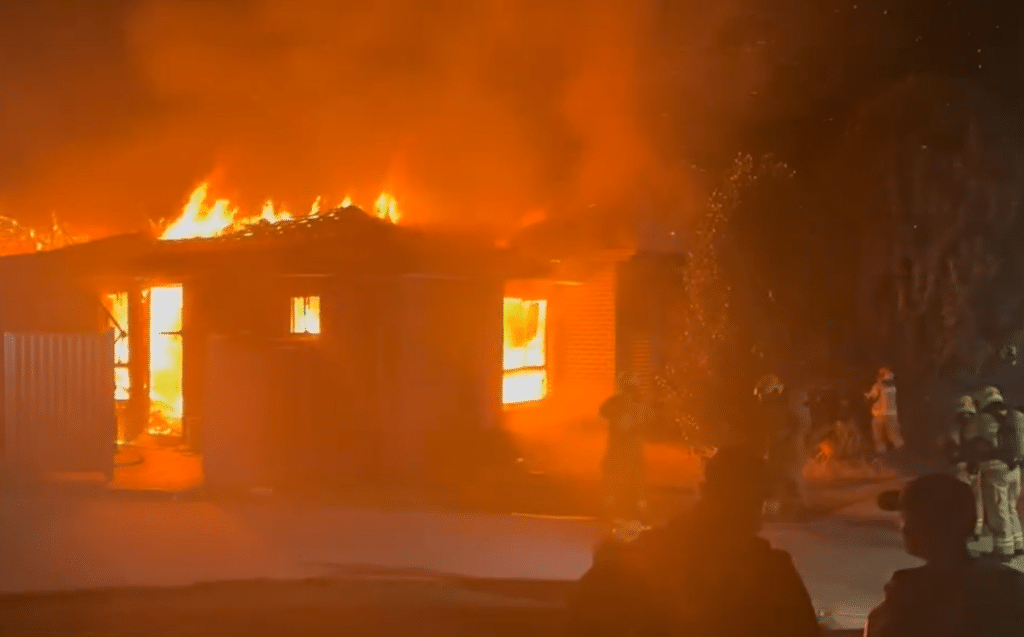
Sadly, as I predicted in my Blog Post on October 26, 2017, the provision of housing for people with disability under the NDIS without fire sprinklers would create death traps by not protecting the very occupants the housing is provided for. We have now seen this play out following the tragic fire in Spring Farm, Sydney, NSW, over the weekend, resulting in the loss of a life of an NDIS participant in a house that did not protect its occupants with fire sprinklers.
The fatal fire that tore through a disability support home in Spring Farm in the early hours of Saturday morning has sent shockwaves through the disability, housing and emergency‑management sectors. What unfolded on Corder Drive shortly after 12.25am was not only a personal tragedy for those involved but a stark reminder of the vulnerabilities that persist within supported accommodation settings, particularly for people with disability who may face additional barriers during emergencies.
When the firefighters arrived, the home was already engulfed in flames. The home did not have a fire sprinkler system installed. Flames had reached the roof cavity and spread with extraordinary speed, resulting in significant structural damage and collapse. Despite the rapid response of 22 firefighters and six trucks, one resident, a man in his 60s, was unable to escape. Two others, a support worker and another resident, managed to flee and were taken to the hospital with minor injuries. One survivor later required treatment for facial burns and carbon dioxide poisoning.

Fire and Rescue NSW Superintendent Adam Dewberry described the blaze as “extremely intense”, noting that a fire of this nature can move from ignition to full involvement in less than ten minutes. He emphasised that the smoke alarm was the critical factor that allowed the two survivors to escape. His comments also highlighted a well-documented challenge: people with disability, particularly those with cognitive or sensory impairments, can become disoriented within seconds when confronted with thick smoke, noise and confusion. This can severely limit their ability to respond quickly, even in familiar environments.
David, the man who passed away, has been remembered by those who knew him as warm, sociable, and deeply interested in history. His long-term support worker spoke of their regular conversations and shared outings, underscoring the human dimension behind the headlines. Neighbours described the fire as an inferno that erupted with alarming speed, leaving the survivors visibly shaken as paramedics treated them on the footpath.
Police have established a crime scene, though the fire is not being treated as suspicious. Investigators are now working through the painstaking process of mapping the site, excavating debris and analysing burn patterns to determine how the blaze began and why it spread so rapidly. A report will be prepared for the coroner.
For professionals and policymakers, this incident raises pressing questions about the adequacy and consistency of fire safety planning across disability housing. The sector has long recognised that traditional evacuation models do not always translate effectively for people with disability, particularly in settings where residents may have limited mobility, reduced situational awareness or reliance on support workers who themselves may be asleep or managing multiple responsibilities during an emergency. It also highlights the critical requirement of providing fire sprinklers within all homes that accommodate people with disability, including those with physical, sensory and cognitive disability.
The Spring Farm fire also highlights the importance of environmental design, staffing models, alarm systems, fire sprinklers and the integration of personalised emergency evacuation plans that reflect the specific needs of each resident. While the cause of the fire is still under investigation, the speed and severity of the event underscore the narrow margin for safe evacuation.
As the investigation continues, this tragedy should prompt renewed scrutiny of fire safety standards, provider obligations, regulatory oversight, and the practical realities of emergency response in disability housing. It is a moment that calls for collective reflection across government, providers, designers, regulators and advocates. The goal must be to ensure that every person with disability living in supported accommodation is afforded not only dignity and independence, but the highest possible standard of safety.
The loss of life in Spring Farm is a sobering reminder of what is at stake. The gentleman who passed away will be remembered for his warmth and curiosity, not the circumstances of his death. For the sector, the responsibility now is to learn from this tragedy and strengthen the systems designed to protect those who rely on them most.
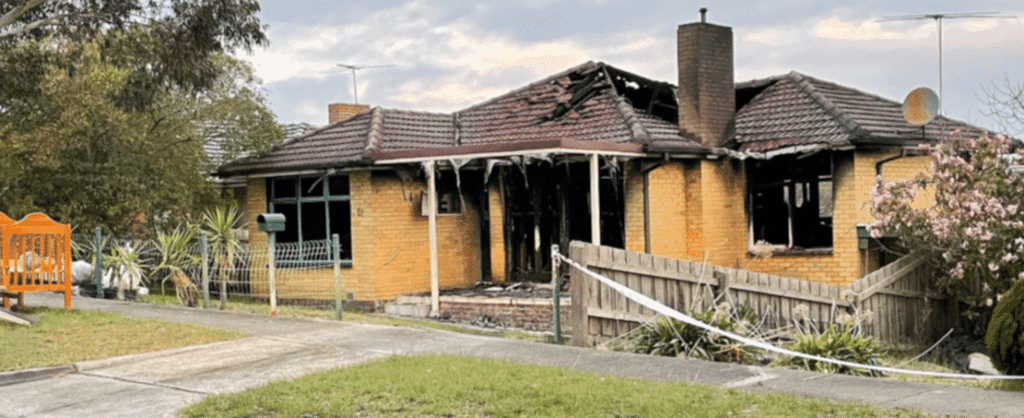
In this seminar, you will gain an understanding of the complexities in providing fire-safe Specialist Disability Accommodation. It will discuss an organisation’s liabilities and offer solutions to improve survivability in an emergency.
For more details on what needs to change, please refer to the following posts.
The fire alarm in his UK school starts blaring while smoke rises
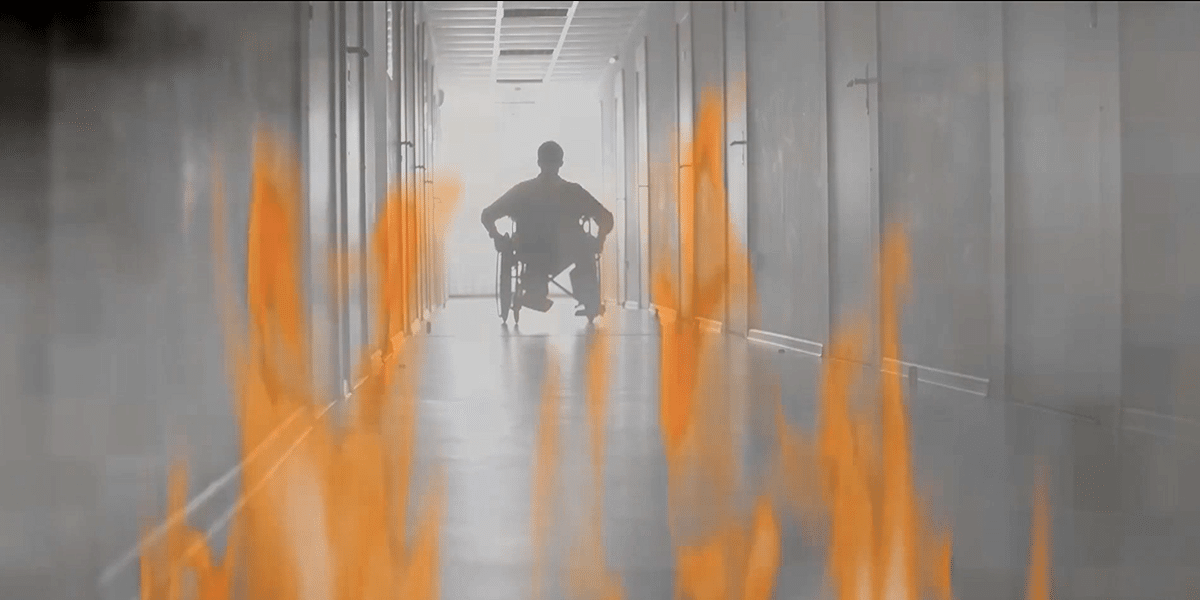
Challenging the Status Quo: Building Classifications and Fire Safety in
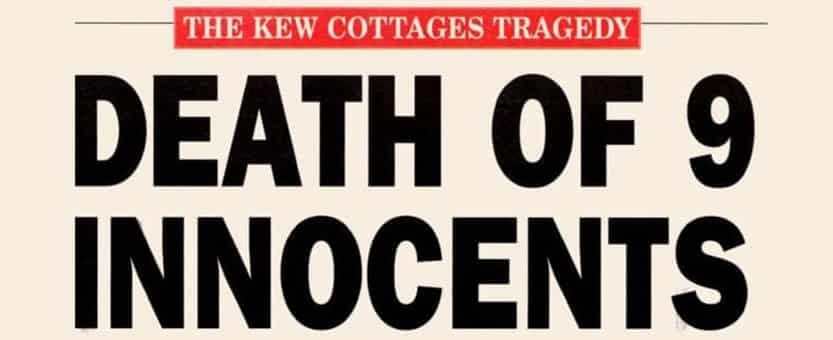
Spanish philosopher George Santayana famously said, “Those who cannot remember